Introduction
In the autumn of 1888, the streets of London’s East End became the stage for one of the darkest mysteries in criminal history. Five women were brutally murdered in the districts of Whitechapel and Spitalfields. The perpetrator was never identified, yet his name — Jack the Ripper — would endure as the Jack the Ripper modern serial killer, a figure who permanently transformed the relationship between crime, the media, and society.
More than a century later, his relevance remains intact. Not only because of the brutality of the crimes, but because they established a new narrative model: crime as cultural phenomenon, the killer as symbol, and fear as public spectacle.
Historical context: London in darkness
Misery, fog, and fear
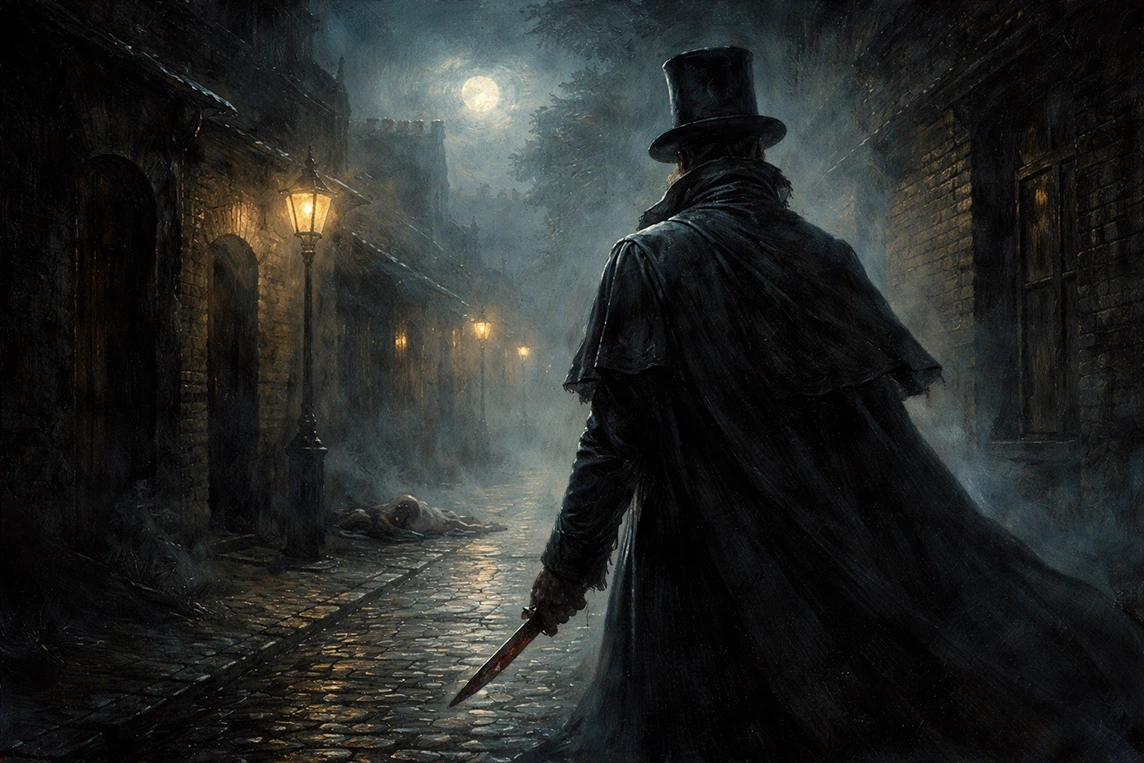
In 1888, the East End was a maze of extreme poverty, prostitution, and overcrowding. Thousands survived in unhealthy conditions, surrounded by a permanent fog that became a metaphor for social inequality. Crime was common, yet the Jack the Ripper modern serial killer shattered all existing patterns.
His violence appeared ritualistic, the choice of victims deliberate, and his anonymity profoundly disturbing. He was not an ordinary criminal, but a figure that resisted immediate understanding.
A divided city
While the West End displayed wealth and progress, the press turned Whitechapel into a symbol of moral decay. The murders exposed the dark side of Victorian progress: a city proud of its science yet blind to its structural misery.
The myth begins: the creation of “Jack the Ripper”
The letters that changed history
On September 27, 1888, a letter signed “Jack the Ripper” reached the London police and was soon published in the press. For the first time, a killer adopted a public identity. Although its authenticity is debated, these letters cemented the Jack the Ripper modern serial killer as a media-conscious entity.
The killer as public figure
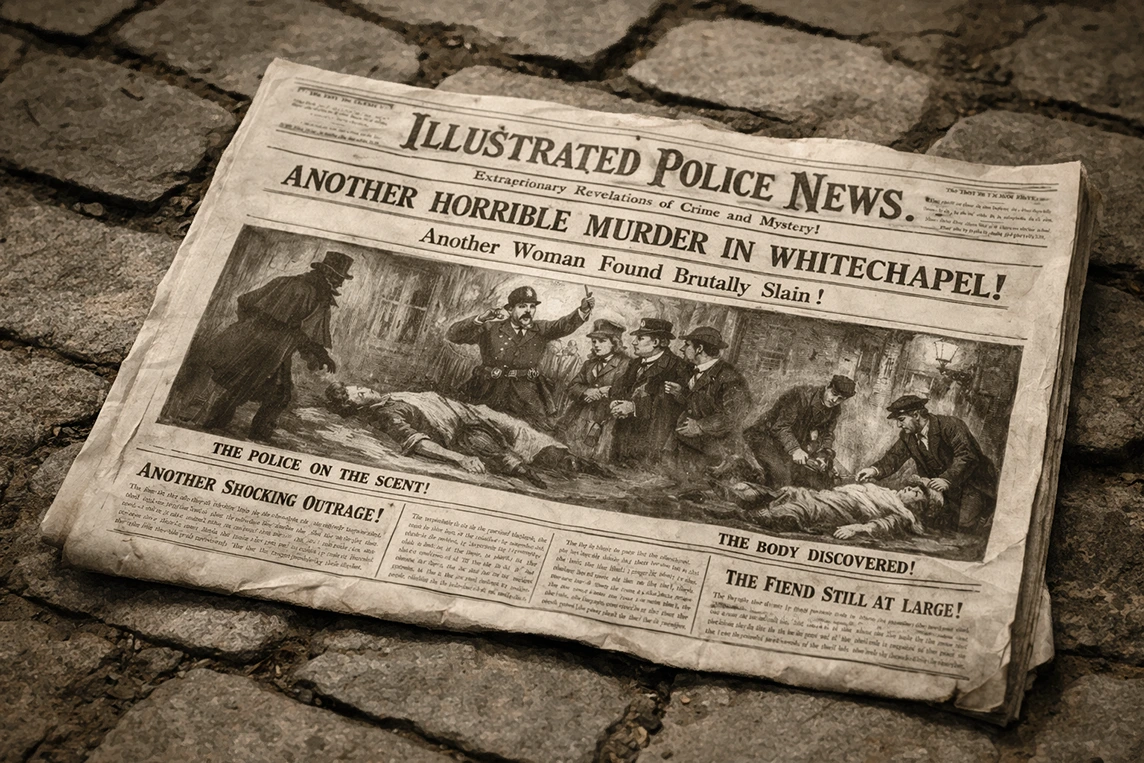
Sensationalist newspapers, competing fiercely for circulation, turned fear into profit. Crimes were described in graphic detail, victims became characters, and the killer evolved into a myth. Jack did not only kill: he founded the archetype of the modern killer who exists simultaneously in reality and collective imagination.
The investigation that changed criminology
From intuition to science
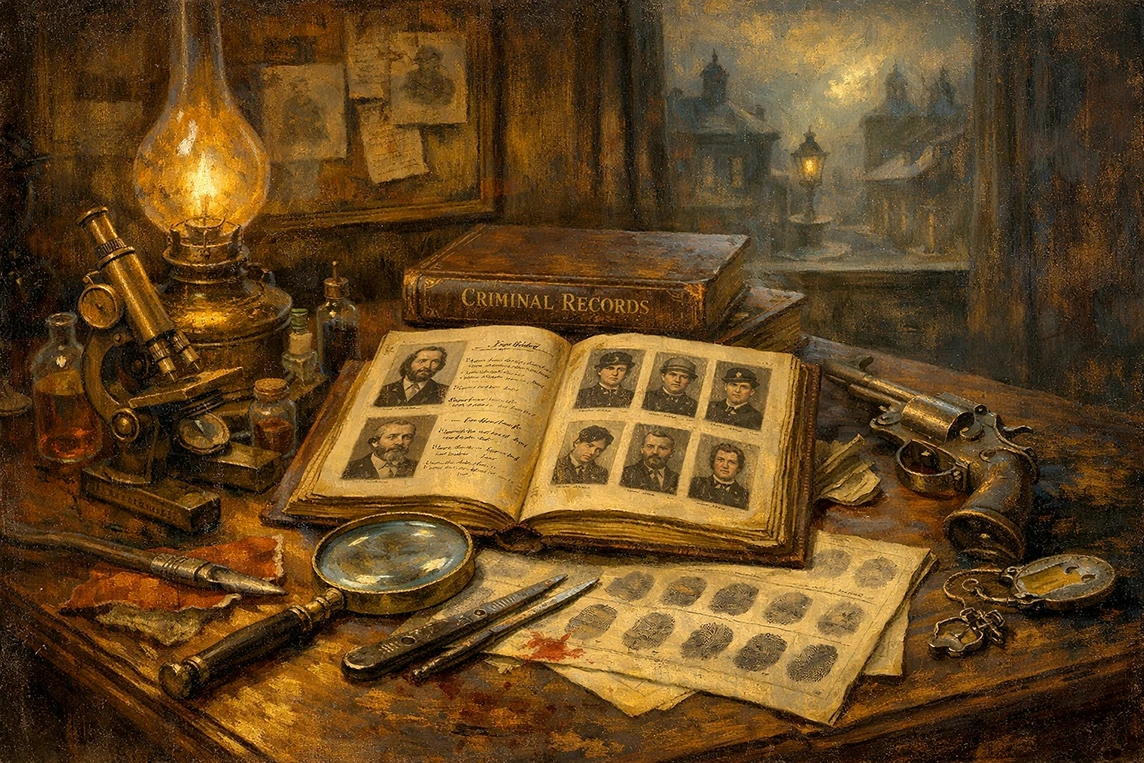
The murders encouraged new investigative approaches. For the first time, attempts were made to psychologically profile a criminal, analyzing behavior patterns and motivations. The case of the Jack the Ripper modern serial killer marked the shift from simple punishment toward behavioral analysis.
Cesare Lombroso and the born criminal
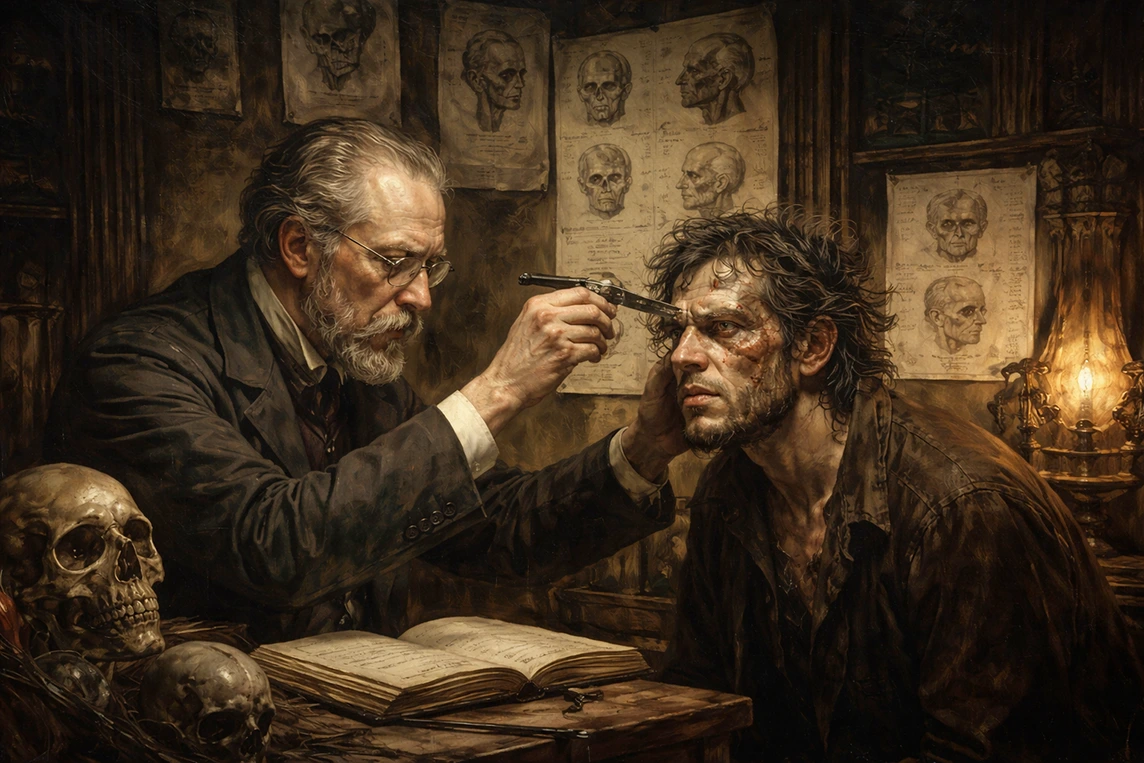
At the same time, Italian criminologist Cesare Lombroso argued that criminality was biologically inherited. Though now discredited, his theories fueled debate over whether evil was innate or socially produced. Jack became the perfect case study for this emerging discussion.
Social and media impact
Fear as news
The public devoured headlines and rumors. Each new murder reignited panic and morbid fascination. The police, unable to capture the Jack the Ripper modern serial killer, became the focus of public frustration. The anonymous killer embodied the faceless enemy of an age that trusted reason and progress.
The victim as symbol
The murdered women — Mary Ann Nichols, Annie Chapman, Elizabeth Stride, Catherine Eddowes, and Mary Jane Kelly — were poor and socially invisible. Their deaths exposed the hypocrisy of a culture that preached morality while ignoring widespread misery.
The birth of the media killer
Fascination with anonymity
Before Jack, criminals were captured or faded into silence. He became immortal precisely because he was never identified. The Jack the Ripper modern serial killer symbolized the idea that anyone could be guilty, and therefore everyone feared everyone else.
The killer as cultural mirror
Since then, popular culture has repeated this archetype: the intelligent, enigmatic killer who challenges authority and reason. From classic fiction to modern true crime, all are heirs to this foundational myth.
The theories: a crime without closure
Doctors, nobles, and artists
For more than a century, suspects have included surgeons, aristocrats, writers, and even royalty. The absence of definitive proof ensures that every theory remains a story within the story, reinforcing the legend of the Jack the Ripper modern serial killer.
The impossibility of truth
The greatest attraction of the case lies in its irresolution. It will never truly end. We are not searching for justice so much as understanding why we continue to search.
“Jack the Ripper was not merely a murderer: he was a product of his time, a metaphor for the darkness London refused to confront.”
— The Times historical archive, 1891
The Ripper’s legacy
The beginning of criminal profiling
Modern studies of serial killers trace their roots indirectly to this case. What began as intuition has become forensic science, yet the obsession remains the same: understanding the monster to protect society.
Between fascination and memory
The danger of the myth is the trivialization of horror. Remembering the Jack the Ripper modern serial killer requires acknowledging the real victims and maintaining a balance between cultural analysis and historical respect.
Conclusion
Jack the Ripper permanently altered how the world perceives evil. He turned the killer into a symbol, crime into narrative, and fear into spectacle. The Jack the Ripper modern serial killer exposed the fragility of a society that claimed civilization while hiding its misery beneath the fog. His story did not end in Whitechapel; it lives on wherever mystery seduces us more than truth.